
National Monuments of Pakistan: Overview
Monuments are enduring structures or landmarks created to commemorate significant people, events, cultural achievements, or periods in history. They often serve as powerful symbols of identity, collective memory, and national pride. In Pakistan, monuments capture the rich layers of its past—blending ancient civilizations, colonial legacies, and milestones of independence into lasting architectural expressions.
According to historical records compiled by the Pakistan Environmental Protection Agency, there were officially ten national monuments recognized across the country as of October 1997. Over time, this number expanded further with the construction of the Pakistan Monument in Islamabad during the 2000s. This striking landmark was designed to represent the unity and shared heritage of Pakistan’s provinces and territories, and has since become one of the most celebrated symbols of the nation.
These monuments are geographically distributed among key regions, reflecting the country’s diverse cultural landscape. Four are located in Sindh, all within the vibrant city of Karachi, while Punjab is home to five, with four situated in Lahore. Balochistan hosts one notable monument, contributing to the broader story of Pakistan’s architectural and historical heritage. Together, these sites offer a unique window into the country’s identity, showcasing the artistry, resilience, and spirit that have shaped its evolution over time.
List of National Monuments of Pakistan
1. Allama Iqbal Museum (Javaid Manzil)

Background and Significance:
The Allama Iqbal Museum, also known as Javaid Manzil, was the residence of Dr. Allama Muhammad Iqbal—the philosopher, poet, and visionary behind the idea of Pakistan. Located on Allama Iqbal Road in Lahore, this mansion was built in 1935 and became the final home of the national poet until his death in 1938.
Architectural Features:
Javaid Manzil is an elegant blend of colonial and traditional design. Its imposing facade features spacious verandahs, arched doors, and wooden staircases. The building comprises several rooms, a library, and a study, carefully preserved to reflect Iqbal’s lifestyle.
Cultural Importance:
In 1977, the Government of Pakistan converted the house into a museum. Today, it houses over 600 original artifacts, including personal belongings, letters, manuscripts, and photographs. The museum stands as a tribute to Iqbal’s intellectual contributions and continues to inspire scholars and visitors from across the country.
2. Allama Iqbal’s Tomb
Background and Significance:
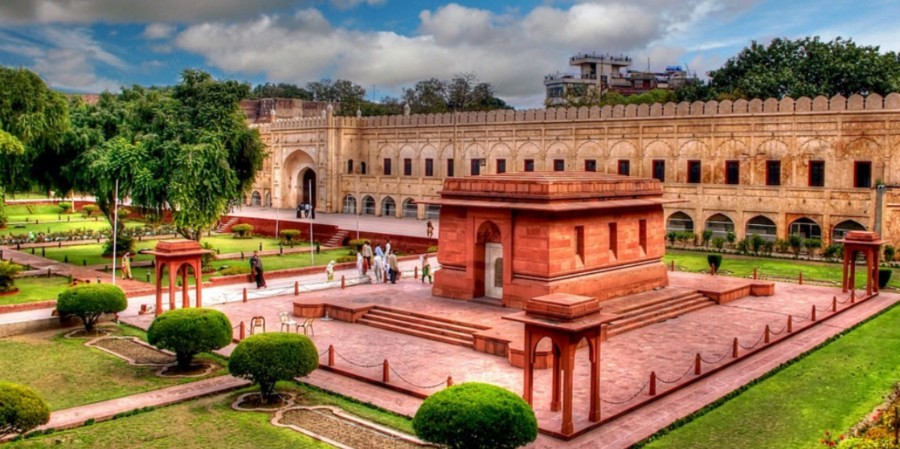
Allama Iqbal’s final resting place is situated in the courtyard of the Badshahi Mosque in Lahore, adjacent to the Lahore Fort. The tomb was constructed to honor his unparalleled contributions to Urdu literature and the Pakistan Movement.
Architectural Features:
Designed by the renowned architect Nawab Zain Yar Jang Bahadur, the mausoleum combines Mughal and Afghan architectural influences. The structure is built from red sandstone and white marble, featuring intricate pietra dura work and calligraphy.
Cultural Importance:
This tomb is not only a symbol of national pride but also a pilgrimage site for students, poets, and admirers of Iqbal’s work. The serene atmosphere and dignified design encapsulate the respect Pakistanis hold for the “Poet of the East.”
3. Bab-e-Mian Sahib
Background and Significance:
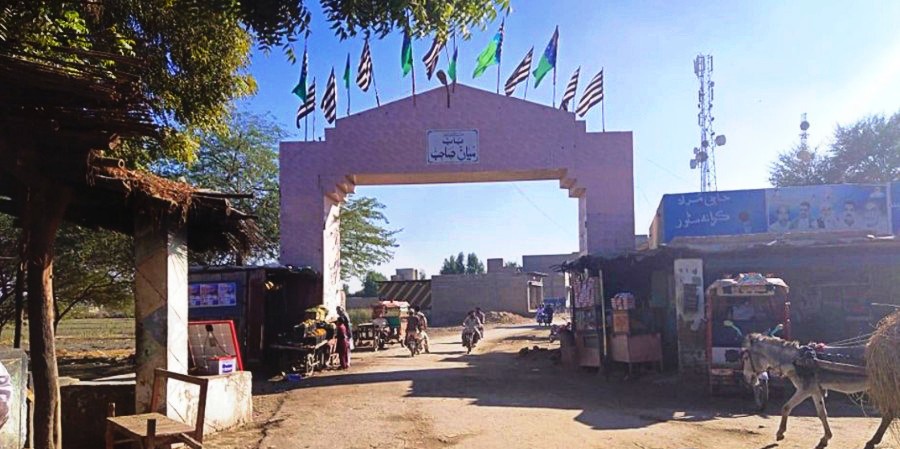
Bab-e-Mian Sahib is a historically significant locality in the town of Mian Sahib (also known as Mian Jo Goth) in Shikarpur District, Sindh. Though often referred to as a gateway, the name more broadly denotes the town’s role as an entry point into the region’s rich heritage of Sufi spirituality, Sindhi literary movements, and educational progress.
Mian Sahib has long been recognized as an important center of learning, cultural revival, and devotion, producing notable writers, poets, and reformers whose contributions shaped modern Sindhi identity.
Architectural Features:
While Bab-e-Mian Sahib is not a single monument, the town is distinguished by several historic Sufi shrines dating from the 17th to 19th centuries. These shrines are renowned for:
- Beautiful tilework inspired by Persian and Iranian motifs
- Domed roofs and intricately carved entrances
- Traditional Sindhi craftsmanship blending regional and Islamic architectural styles
The shrines and associated structures create a unique spiritual landscape that serves as the cultural heart of Mian Sahib.
Cultural Importance:
Bab-e-Mian Sahib and its surrounding town have contributed profoundly to Sindhi literature, education, and civic life. Some of the most celebrated achievements include:
- The Sindhu Magazine, founded in the 1930s by Boolchand Wasoomal, which promoted literary awareness
- The work of Khialdas Fani, mentor to famous poet Shaikh Ayaz
- The establishment of the Sindhi Adabi Sangat by Ustaad Rahi in 1983
- The Al-Shabaaz Goth Sudhaar Organization, created in 1980 as the town’s first community improvement movement
These contributions earned Mian Sahib a lasting reputation as a beacon of progressive thought and cultural preservation in Sindh.
Present-Day Status:
Today, Bab-e-Mian Sahib remains a vibrant part of Shikarpur District’s heritage. The shrines continue to attract pilgrims and tourists, especially during annual Urs festivals that celebrate the lives of local Sufi saints. Efforts to conserve the town’s architectural legacy and promote its literary heritage are ongoing, supported by scholars and cultural organizations.
4. Bloody Bastion

Background and Significance:
Bloody Bastion also known as Khooni Burj or Bloody Tower, is a historic bastion located along the old City Wall of Multan, Punjab. Positioned between Pak Gate and Delhi Gate on Alang Road, it is one of the few surviving structures of Multan’s ancient fortifications, most of which were destroyed during the British colonial campaigns of the 19th century.
The bastion holds a long and complex history stretching back to antiquity. According to local tradition, the site is believed to be where Alexander the Great was wounded during his invasion of the Indus Valley around 326 BCE. In retaliation, Greek forces reportedly slaughtered defenders, civilians, and animals—filling the area with blood and inspiring the later name “Khooni Burj.”
Architectural Features:
Constructed primarily of brick masonry and mud mortar, Bloody Bastion was designed as a stronghold within the defensive walls encircling Multan. Its features include:
- A thick curved wall with firing positions for defending archers and later gunpowder artillery
- A commanding view of the surrounding approaches to the city
- Ramparts and parapets that, though partially ruined, still give a sense of the original fortifications
After British forces stormed Multan, the bastion’s outer walls were severely damaged, leaving only partial remains visible today.
Cultural Importance:
Bloody Bastion became particularly notorious during the Siege of Multan in 1848–1849, when Sikh forces under Diwan Mulraj Chopra fought a determined defense against the British East India Company’s army, including the 1st Bombay Fusiliers. Two British emissaries who had been murdered by Sikh rebels were buried at the bastion, adding to its reputation for violence and tragedy.
Following the British victory, the graves were exhumed and reburied within Multan Fort. The bastion thus stands as a grim reminder of the siege’s brutality and the end of Sikh control over Multan.
Present-Day Status:
Today, Bloody Bastion is preserved in a partially ruined state, attracting historians, researchers, and tourists interested in the colonial and ancient history of the city. Although not formally developed as a major tourist site, it is recognized as part of Multan’s rich heritage of forts, gates, and defensive architecture. Heritage advocates have called for further conservation and educational signage to ensure its story is not lost to time.
5. Chauburji

Background and Significance:
Chauburji is one of Lahore’s most iconic Mughal-era monuments. Built in 1646 during the reign of Emperor Shah Jahan, it originally served as the gateway to a grand garden laid out by Princess Zeb-un-Nisa. The name “Chauburji” means “Four Towers,” referring to its distinctive minarets.
Architectural Features:
The monument exemplifies Mughal garden architecture. Its square structure is crowned by four elegant minarets adorned with glazed tile work in blue, green, and white. The central arch bears an inscription attributing its construction to Princess Zeb-un-Nisa.
Cultural Importance:
Despite centuries of urban expansion and environmental damage, Chauburji remains a beloved landmark and a symbol of Lahore’s rich heritage. Conservation efforts are ongoing to preserve its tile mosaics and structure for future generations.
6. Cunningham Clock Tower
Background and Significance:
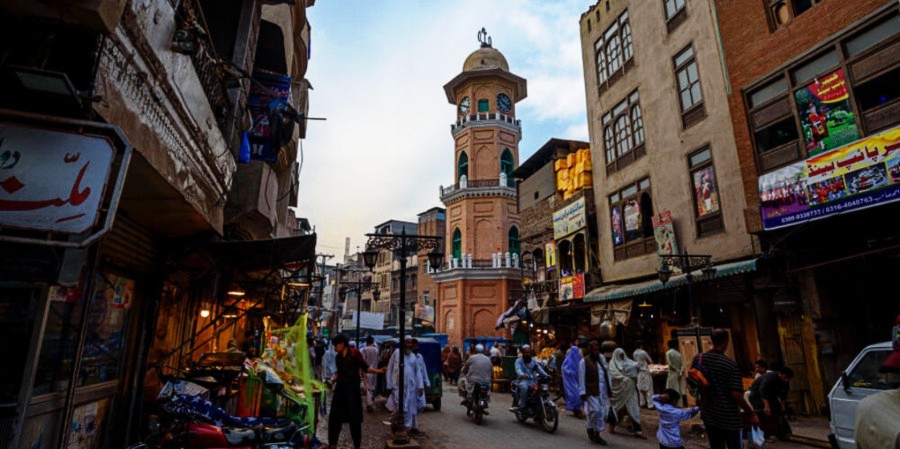
Cunningham Clock Tower is a prominent landmark in Peshawar, Khyber Pakhtunkhwa. Erected in 1900, it was named after Sir George Cunningham, the British political agent and later Governor of the North-West Frontier Province. The tower was built to commemorate Queen Victoria’s Diamond Jubilee in 1897, symbolizing the colonial era’s influence on the city’s development.
Architectural Features:
Standing approximately 26 meters tall, the tower is constructed of brick and stone in a classical Victorian design. Four clock faces crown the structure, facing all directions, and its elegant cornices and arches showcase British architectural sensibilities blended with local craftsmanship.
Cultural Importance:
The Cunningham Clock Tower has survived decades of change and urbanization, remaining a beloved civic emblem of Peshawar. It stands today as a reminder of the city’s colonial past and the resilience of its people in forging a modern identity.
7. Darbar Mahal

Background and Significance:
Darbar Mahal is a spectacular palace in Bahawalpur, Punjab, commissioned by Nawab Bahawal Khan V in 1905. Originally constructed as a royal residence and court, the palace was part of the larger complex of Bahawalpur’s princely estates, reflecting the opulence of the Nawabs.
Architectural Features:
The palace is an exquisite blend of Islamic, Rajput, and European architectural styles. It features red brick facades, intricate jharokhas (overhanging balconies), ornate domes, and arched verandahs. The interiors are adorned with carved wooden doors and delicate frescoes.
Cultural Importance:
Today, Darbar Mahal falls under the administration of the Pakistan Army, but it remains a powerful symbol of Bahawalpur’s royal heritage. Though public access is limited, its graceful silhouette continues to inspire historians and architecture enthusiasts alike.
8. Faisalabad Clock Tower
Background and Significance:
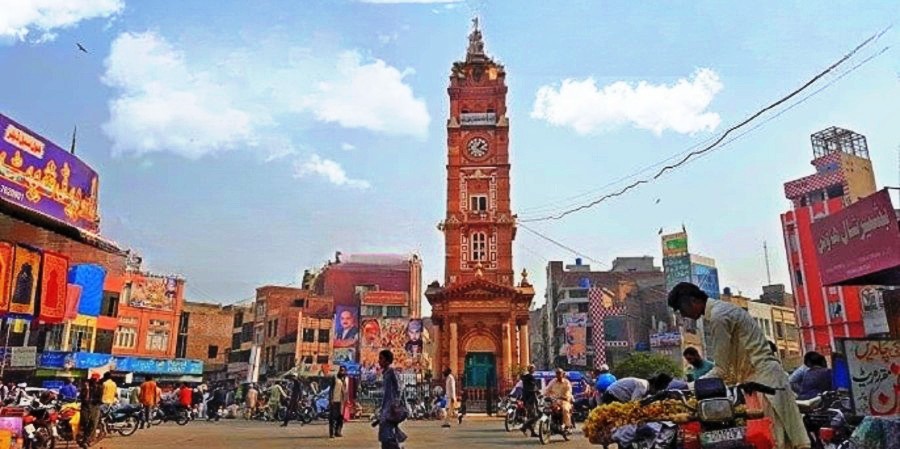
Commonly known as Ghanta Ghar, the Faisalabad Clock Tower is the heart of Pakistan’s third-largest city. Built during the British Raj in 1905, it marked the center of Lyallpur (the city’s colonial name) and served as a civic and commercial nucleus.
Architectural Features:
The tower’s design is strikingly unique: it forms the center of eight roads radiating outward like the Union Jack flag. Constructed of red sandstone and white marble, the tower’s four clock faces and octagonal base make it one of the most recognizable structures in Punjab.
Cultural Importance:
Today, Faisalabad Clock Tower is a symbol of the city’s textile heritage and entrepreneurial spirit. It remains a vibrant gathering place and an architectural icon that connects the past with the present.
9. Ghanta Ghar Multan

Background and Significance:
The Ghanta Ghar of Multan is another celebrated colonial-era clock tower, built in 1884. It functioned as the municipal hall and administrative center for the city during British rule and has continued to be a focal point of civic life.
Architectural Features:
This impressive three-story structure combines Mughal and colonial design influences. The central tower, capped by a clock, rises above the arched verandahs and decorative facades. A large courtyard complements the grandeur of the building.
Cultural Importance:
Today, Ghanta Ghar Multan serves as a museum exhibiting the history and culture of the region. It is a beloved landmark that embodies Multan’s legacy as a center of trade, craftsmanship, and Sufi traditions.
10. Hakimon ka Maqbara
Background and Significance:
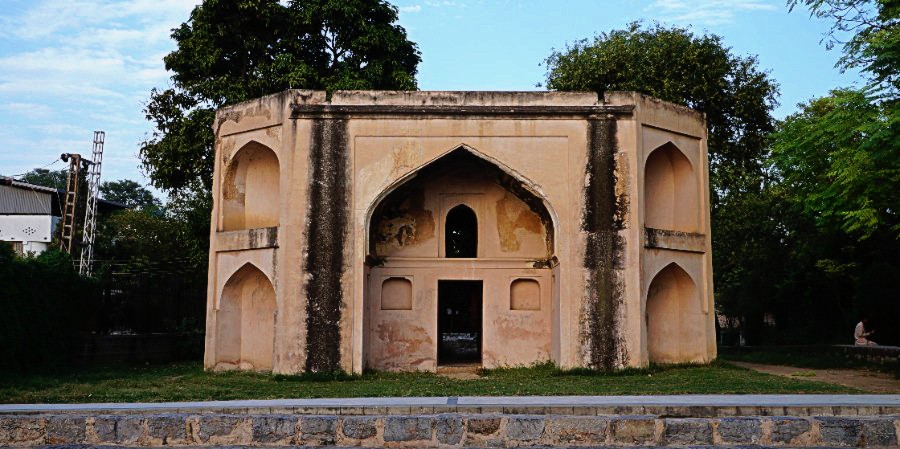
Hakimon ka Maqbara, located in Lahore, is a lesser-known but historically significant tomb complex. It is believed to be the burial place of royal physicians (hakims) who served the Mughal court, though precise historical records vary.
Architectural Features:
The maqbara features Mughal-era brickwork with intricate frescoes and tile decorations, many of which have faded with time. Its domed chambers, arched entrances, and ornamental stucco work reflect the funerary architecture of the 17th and 18th centuries.
Cultural Importance:
Though not as widely visited as other monuments, Hakimon ka Maqbara remains an important heritage site, offering insights into the lives and contributions of those who served the Mughal emperors. Conservation efforts are underway to protect its fragile structures from further decay.
11. Hiran Minar
Background and Significance:
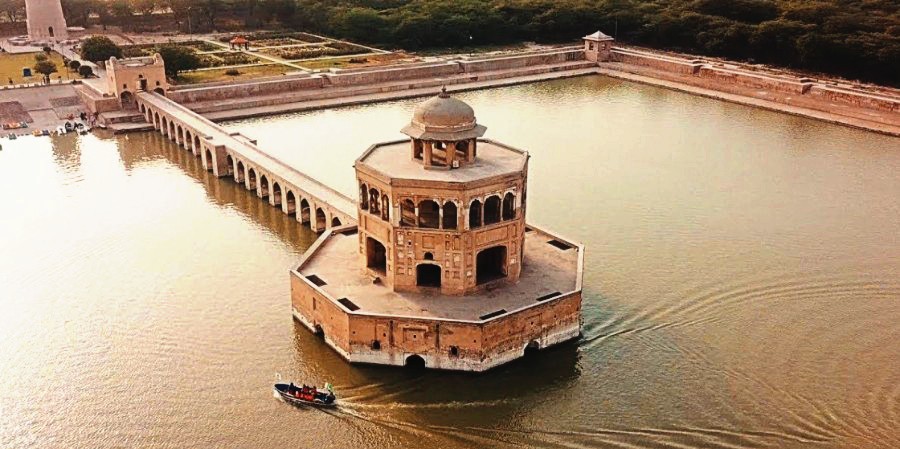
Hiran Minar is an exceptional Mughal-era monument located near Sheikhupura, Punjab. Built in the early 17th century by Emperor Jahangir, it was dedicated to his favorite pet antelope, Mansraj, reflecting the emperor’s passion for hunting and nature.
Architectural Features:
The complex consists of a tall, 30-meter-high minaret standing over the antelope’s grave, a massive rectangular water tank measuring 750 by 895 feet, an octagonal pavilion at the center of the tank, and a series of brick ramps once used to drive animals into the water. The minar itself features a spiral staircase inside and stone carvings with Persian inscriptions.
Cultural Importance:
Hiran Minar is both a royal memorial and an innovative example of Mughal hydraulic engineering. Its tranquil setting makes it a popular destination for tourists and history enthusiasts, offering a glimpse into the leisure pursuits of the Mughal emperors.
12. House of Abdus Salam
Background and Significance:
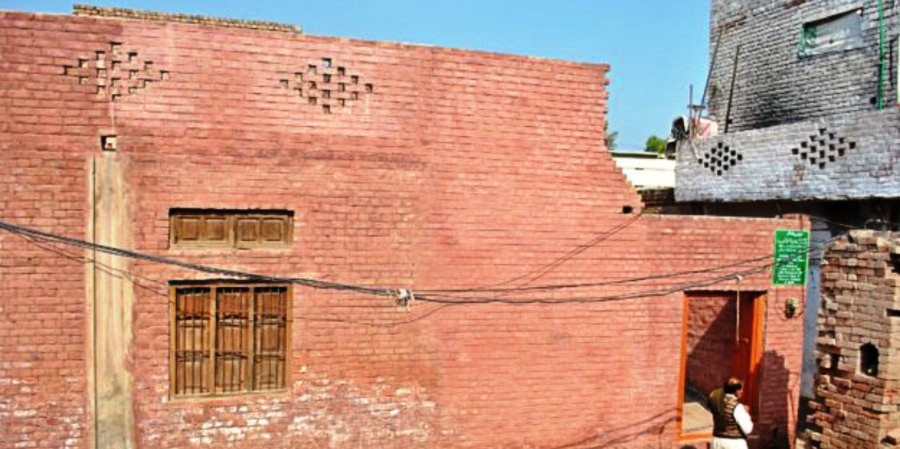
The House of Abdus Salam, situated in Jhang, Punjab, is the birthplace and childhood home of Pakistan’s only Nobel Laureate in Physics, Dr. Abdus Salam. He was awarded the Nobel Prize in 1979 for his contributions to electroweak unification, a cornerstone of modern particle physics.
Architectural Features:
The house is a modest structure, characteristic of early 20th-century Punjabi dwellings, featuring brick walls, wooden doors, and simple living spaces. Although architecturally plain, its significance lies in its association with one of Pakistan’s greatest scientific minds.
Cultural Importance:
Recognized as a national monument, the house serves as a symbol of intellectual achievement and inspiration for generations of Pakistani scientists. Preservation efforts have been undertaken to maintain the site as a tribute to Dr. Salam’s legacy.
13. Islamic Summit Minar (Tower)
Background and Significance:
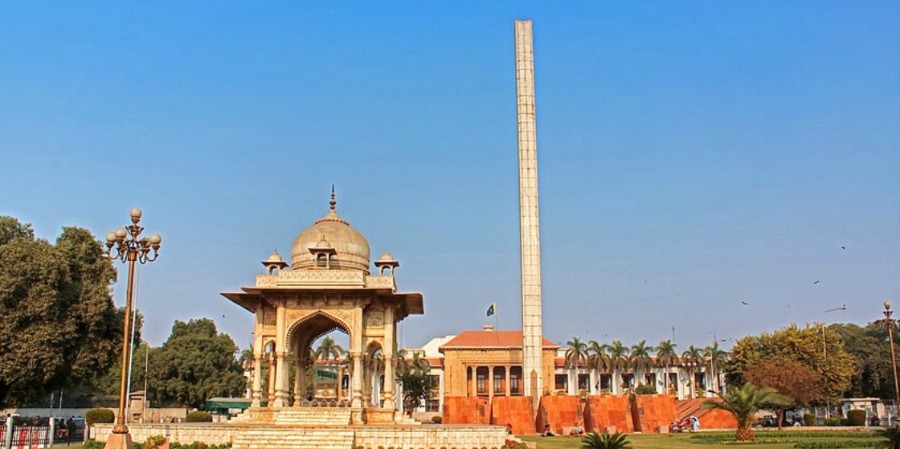
The Islamic Summit Minar is a modern monument located in Lahore, built to commemorate the second Islamic Summit Conference held in Pakistan in 1974. This historic event brought together leaders from across the Muslim world to promote unity and cooperation.
Architectural Features:
The minar rises 155 feet above the ground, constructed with white marble and concrete. Its sleek, contemporary design includes a cylindrical shaft crowned by a dome-like top. At the base, an exhibition hall displays photographs and records of the summit proceedings.
Cultural Importance:
The tower stands as a symbol of Pakistan’s pivotal role in the Muslim Ummah and its commitment to pan-Islamic solidarity. It remains an important civic landmark in Lahore’s skyline.
14. Khaliq Dina Public Hall and Library
Background and Significance:
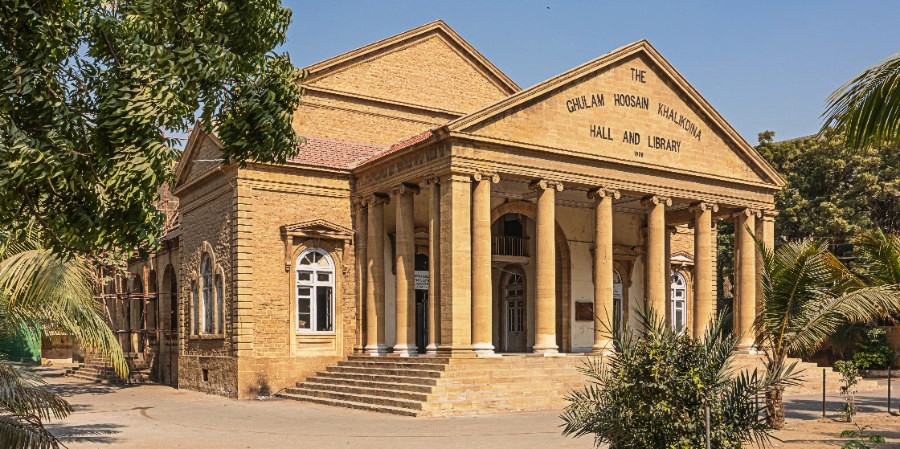
Khaliq Dina Hall is a historic civic building located on Bunder Road in Karachi. It was constructed in 1906 with donations from Ghulam Hoosain Khalikdina, a prominent philanthropist and educationist. The hall was established to serve as a venue for educational and social gatherings for the city’s diverse communities.
Architectural Features:
The hall’s design combines colonial and neoclassical elements, featuring a graceful portico supported by Ionic columns and a central pediment. Inside, it houses a large auditorium and a library with extensive collections of books and archives.
Cultural Importance:
Khaliq Dina Hall has hosted countless public meetings, literary events, and political discussions, including gatherings during the Pakistan Movement. It remains a vibrant cultural venue, continuing its legacy as a center for education and civic engagement.
15. Makli Hill
Background and Significance:
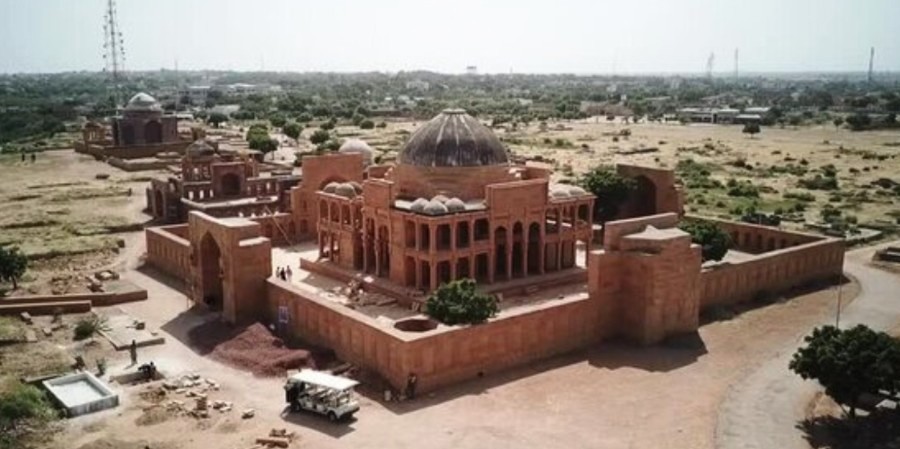
Makli Hill, near Thatta in Sindh, is one of the largest necropolises in the world and a UNESCO World Heritage Site. Covering an area of over 10 square kilometers, it is the final resting place of an estimated 500,000 people, including Sufi saints, scholars, and rulers of Sindh between the 14th and 18th centuries.
Architectural Features:
Makli’s tombs are masterpieces of funerary architecture, combining Islamic, Hindu, and Persian influences. They range from simple brick graves to grand stone mausoleums adorned with intricate carvings, calligraphy, and glazed tile work. The Tomb of Jam Nizamuddin II and the mausoleum of Isa Khan Tarkhan the Younger are among the most notable examples.
Cultural Importance:
Makli Hill is a profound testament to the region’s syncretic cultural traditions and architectural brilliance. It continues to attract scholars, tourists, and devotees, preserving centuries of history in its monumental silence.
16. Merewether Clock Tower
Background and Significance:
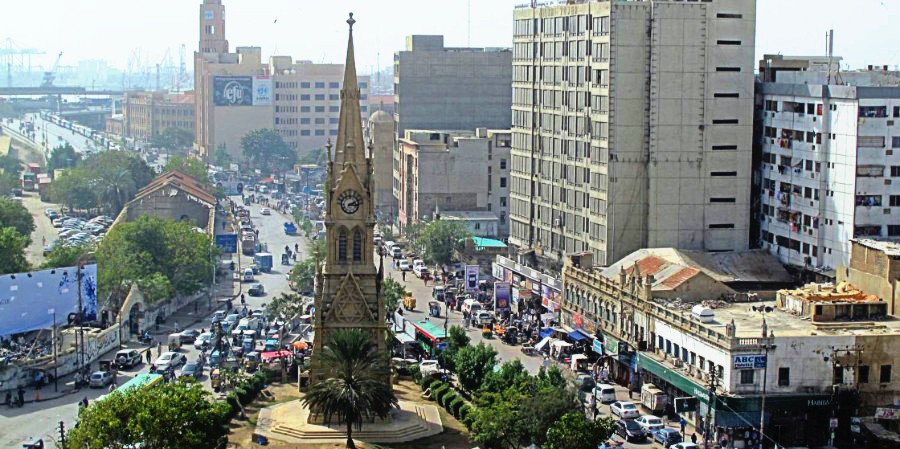
The Merewether Clock Tower stands tall in central Karachi, marking the entrance to the old city. It was constructed in 1892 in memory of Sir William L. Merewether, the Commissioner of Sindh from 1867 to 1877, under British rule. It served both as a memorial and a navigational landmark near the harbor for incoming ships.
Architectural Features:
Built in Gothic Revival style, the tower stands approximately 102 feet tall and was constructed with Gizri sandstone. The structure features a tall spire, pointed arches, and four clock faces. Its medieval-European aesthetic contrasts sharply with Karachi’s local architecture, making it a visual standout.
Cultural Importance:
Over the years, the tower has become a symbol of Karachi’s colonial past and enduring urban heritage. Restoration efforts have been made to preserve this historic structure, which remains a key part of the city’s skyline.
17. Minar-e-Pakistan
Background and Significance:
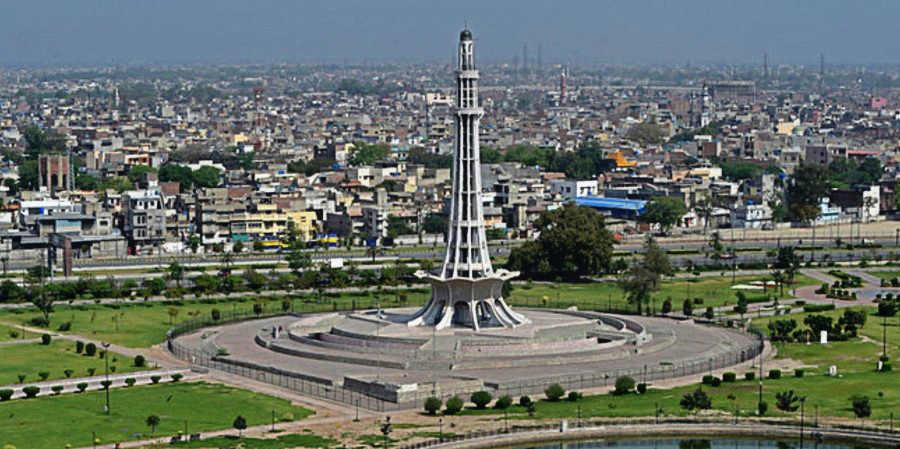
Minar-e-Pakistan is one of Pakistan’s most iconic national monuments, located in Iqbal Park, Lahore. It marks the historic site where the All-India Muslim League passed the Pakistan Resolution on March 23, 1940—a key milestone that led to the creation of Pakistan in 1947.
Architectural Features:
The tower stands at 70 meters and is a unique blend of Islamic, Mughal, and modern architecture. It was designed by Nasreddin Murat-Khan, a Russian-Pakistani architect. The base resembles a flower in full bloom, and inscriptions of the Pakistan Resolution, along with Quranic verses and poetic lines from Allama Iqbal, are carved on its inner walls.
Cultural Importance:
Minar-e-Pakistan symbolizes the aspirations of a nation and the spirit of independence. It is the centerpiece for national celebrations and serves as a powerful reminder of Pakistan’s founding ideals.
18. Nicholson’s Obelisk
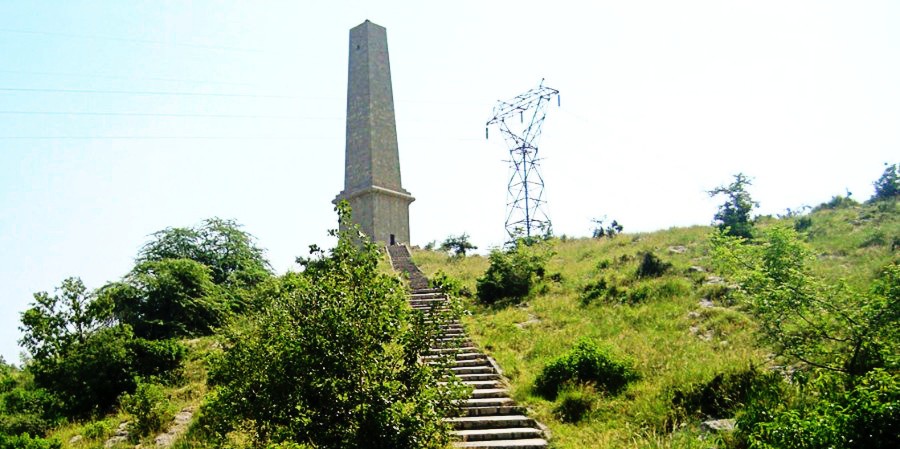
Background and Significance:
Nicholson’s Obelisk is a colonial-era monument located on the Grand Trunk Road near Attock, built in honor of Brigadier General John Nicholson, a British officer who played a prominent role in the suppression of the 1857 Indian Rebellion. The monument was erected by the British as a tribute to his military service.
Architectural Features:
The obelisk is a tall, slender, four-sided stone pillar that narrows toward the top, modeled after classical European commemorative structures. It stands isolated against the rugged terrain, visible from afar to travelers on the GT Road.
Cultural Importance:
Though colonial in origin, Nicholson’s Obelisk remains a notable historic marker. It represents a period of transition in South Asian history and continues to be a point of interest for historians and visitors tracing the British legacy in the region.
19. Noor Mahal
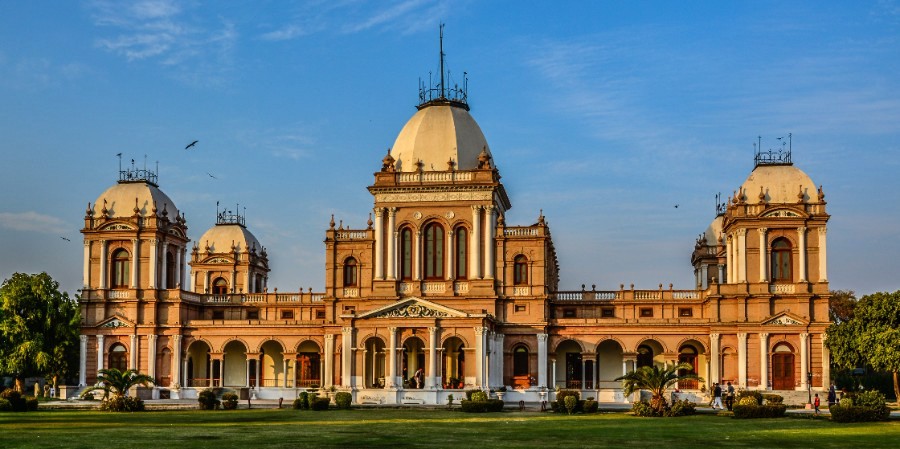
Background and Significance:
Noor Mahal is a magnificent palace located in Bahawalpur, built in 1872 during the reign of Nawab Sadiq Muhammad Khan IV. Though intended as a residence for his wife, it was reportedly used only briefly before being turned into a guest house and state office.
Architectural Features:
The palace features an opulent Indo-European design, incorporating Corinthian columns, vaulted ceilings, and expansive lawns. The interior boasts crystal chandeliers, Italian tiles, and period furniture, making it one of the most luxurious royal residences in Pakistan.
Cultural Importance:
Now maintained by the Pakistan Army, Noor Mahal is open to the public and serves as a heritage museum. It attracts both local and international tourists and is a lasting symbol of the Nawabi grandeur of Bahawalpur.
20. Pakistan Monument

Background and Significance:
The Pakistan Monument, located on the Shakarparian Hills in Islamabad, was constructed to symbolize national unity and commemorate the sacrifices of those who contributed to the country’s independence. It was inaugurated in 2007.
Architectural Features:
Designed by architect Arif Masood, the monument is shaped like a blooming flower with four main petals representing Pakistan’s four provinces—Punjab, Sindh, Khyber Pakhtunkhwa, and Balochistan—and three smaller petals representing the territories. The inner walls of the petals are engraved with images of national landmarks like Badshahi Mosque, Minar-e-Pakistan, and Khyber Pass.
Cultural Importance:
The monument also includes a museum and auditorium and serves as a symbol of unity, faith, and pride for the Pakistani nation. It is one of the most visited and photographed landmarks in the country.
21. Quaid-e-Azam House Museum (Flag Staff House)
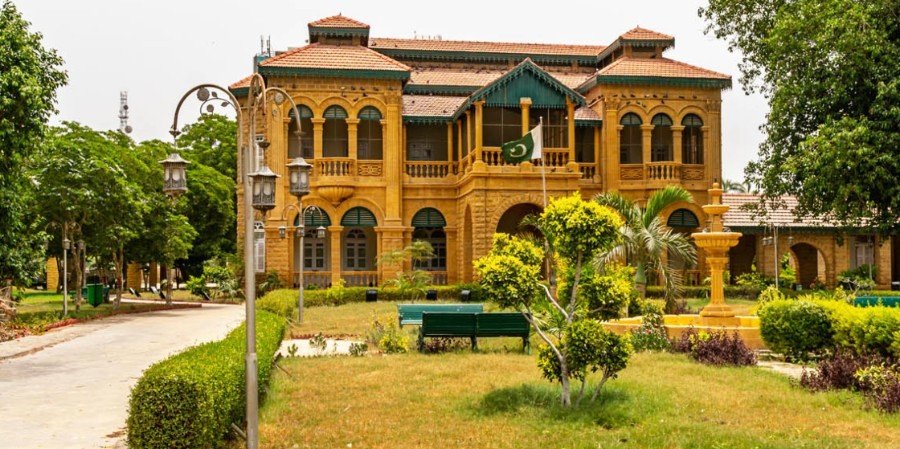
Background and Significance:
Quaid-e-Azam House Museum, commonly known as Flag Staff House, is located in Karachi. Purchased by Muhammad Ali Jinnah in 1943, this elegant residence served as his personal home during the final years of his life.
Architectural Features:
Built in the 19th century, the house is constructed from Gizri sandstone and features colonial architectural elements such as wide verandahs, high ceilings, wooden staircases, and spacious lawns. The interiors have been preserved to reflect Jinnah’s lifestyle, showcasing his furniture, personal items, and photographs.
Cultural Importance:
Declared a national museum in 1984, the Quaid-e-Azam House provides a glimpse into the private life of Pakistan’s founder. It continues to be a place of reflection and homage for citizens and tourists alike.
22. Quaid-e-Azam’s Mazar (Mausoleum of Muhammad Ali Jinnah)

Background and Significance:
The Mazar-e-Quaid, located in Karachi, is the final resting place of Muhammad Ali Jinnah, the founder of Pakistan. Construction began in the 1960s under the guidance of architect Yahya Merchant and was completed in 1971.
Architectural Features:
This striking mausoleum is built of white marble, designed in a modernist style with clean lines and a massive dome rising to 43 meters. The mausoleum sits atop a stepped platform and is surrounded by lush gardens, cascading fountains, and ceremonial pathways. At night, the structure is illuminated, creating a solemn and beautiful spectacle.
Cultural Importance:
Mazar-e-Quaid is the most visited national monument in Pakistan, serving as a site of national ceremonies and public gatherings. It is a revered place where citizens honor Jinnah’s vision and leadership.
23. Sialkot Clock Tower
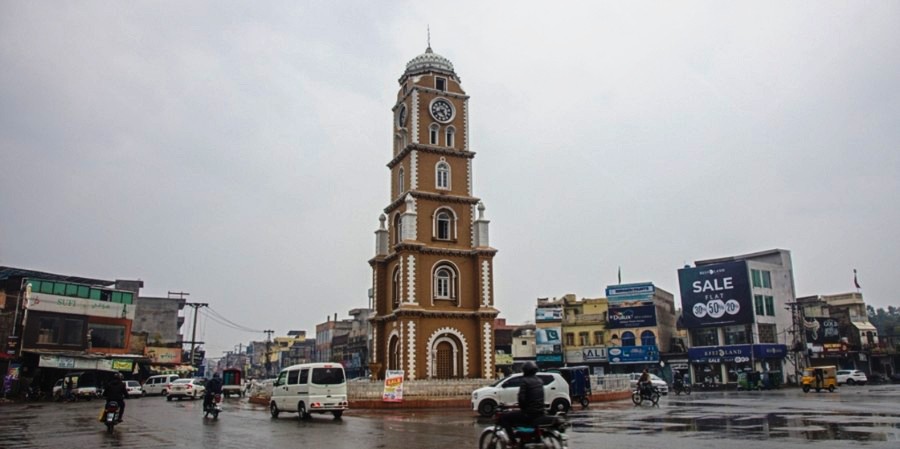
Background and Significance:
Located in the heart of Sialkot city, the Sialkot Clock Tower is a prominent landmark that has stood as a symbol of civic pride since the British colonial era. It was built in the early 20th century as part of the city’s main bazaar redevelopment.
Architectural Features:
The tower is a tall, square brick structure featuring four clock faces and classical colonial detailing. Its strategic position marks the convergence of several major roads and markets, making it the center point of the old city.
Cultural Importance:
The Sialkot Clock Tower remains a bustling hub of commercial activity and an enduring emblem of the city’s historic identity. It is cherished by residents and frequently appears in local imagery and publications.
24. Wazir Mansion (Birthplace of Muhammad Ali Jinnah)
Background and Significance:
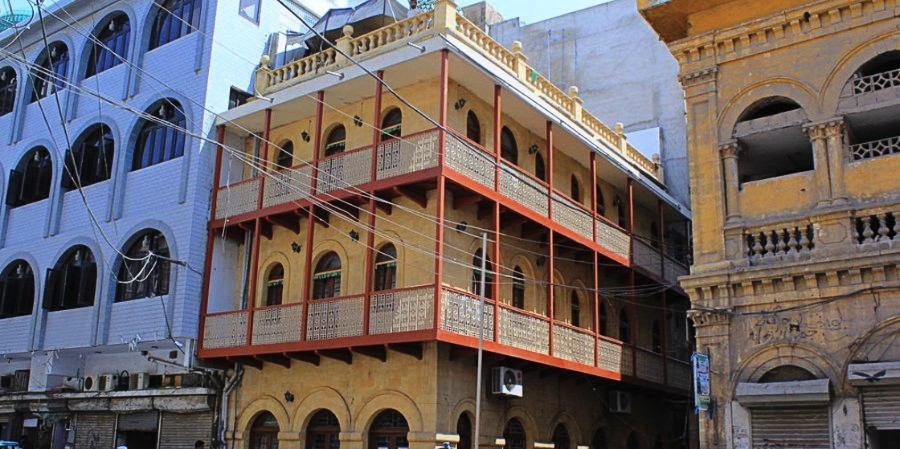
Wazir Mansion is the birthplace of Quaid-e-Azam Muhammad Ali Jinnah, located in Karachi’s Kharadar area. Built in the mid-19th century by Jinnah’s father, Jinnahbhai Poonja, the house is where the founder of Pakistan spent his early childhood.
Architectural Features:
The mansion is a three-story stone building, with traditional colonial balconies and wooden doors. Its well-preserved rooms include exhibits displaying Jinnah’s belongings, photographs, and important documents.
Cultural Importance:
Wazir Mansion was declared a national monument in 1953 and converted into a museum. It remains an important pilgrimage site for Pakistanis who wish to pay tribute to the early life of their national leader.
25. Ziarat Residency
Background and Significance:
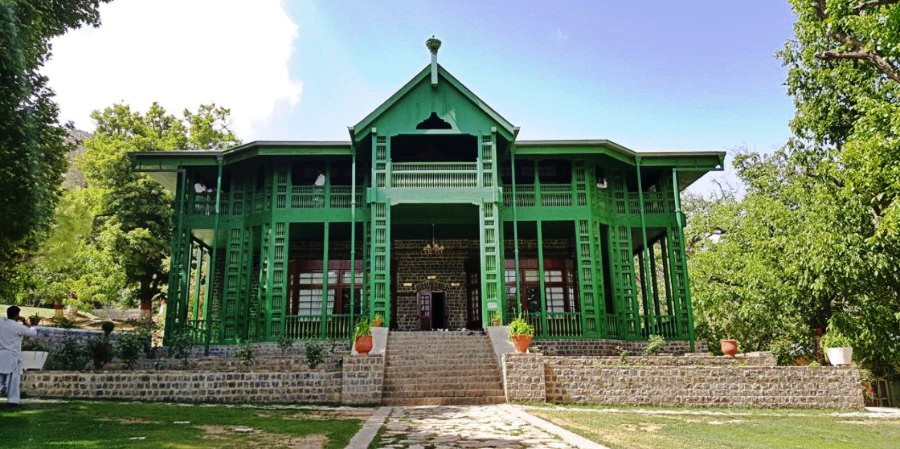
Ziarat Residency is a historic wooden building located in Ziarat, Balochistan. It was here that Muhammad Ali Jinnah spent the last days of his life in 1948 due to ill health. The Residency has since become a deeply symbolic site.
Architectural Features:
Built in 1892 as a sanatorium for British officials, the Residency is a beautiful example of colonial hill architecture. It features wooden paneling, spacious verandahs, pitched roofs, and surrounding pine forests. Despite severe damage in a 2013 attack and an earthquake, the structure has been meticulously restored.
Cultural Importance:
Ziarat Residency is regarded as a national treasure and an emotional landmark. It stands as a testament to Jinnah’s sacrifices and is a place of national remembrance, particularly on Independence Day.
Pakistan’s national monuments are far more than mere structures of stone and brick—they are living reminders of the nation’s journey, resilience, and shared heritage. From the colonial-era buildings of Karachi and Lahore to the emblematic Pakistan Monument in Islamabad, each site tells a unique story that contributes to a broader understanding of Pakistan’s cultural landscape. Preserving and celebrating these monuments not only strengthens national pride but also inspires future generations to value and protect the legacies entrusted to them.
Your article helped me a lot, is there any more related content? Thanks!