
Introduction
Balochistan is a region that spans parts of Iran, Afghanistan, and Pakistan. It is characterize by diverse landscapes, including deserts, rugged mountains, and a coastline along the Arabian Sea.
Balochistan has a rich cultural heritage and historical significance. It is the largest province in Pakistan and is inhabit by various ethnic groups, including the Baloch people. The region has faced geopolitical and socio-economic challenges. Balochistan culture remains a vital and distinct part of the region’s identity.
Here are some key elements of Balochistan’s rich culture:
Balochi People
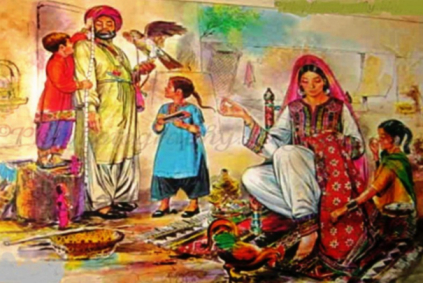
The people of Balochistan, known as the Baloch, form the predominant ethnic group in the region of Balochistan, which spans across parts of Iran, Afghanistan, and Pakistan. Balochistan culture have a distinct cultural identity and a rich history that shapes their way of life.
Here are some key aspects of the Baloch people:
- Ethnic Identity: The Baloch people have a strong sense of ethnic identity, language, and cultural heritage. They speak Balochi, a Northwestern Iranian language, and take pride in their unique traditions and customs.
- Tribal Society: Balochistan’s society traditionally operates within a tribal structure, with various Baloch tribes having their customs, traditions, and hierarchical systems. Tribal affiliations hold significant importance in shaping social structures and community dynamics.
- Historical Significance: The Baloch have a history rich in resistance against various empires and external influences. They have maintained a spirit of resilience and independence throughout history, contributing to their cultural identity.
- Nomadic Past: A long time ago, many Baloch people used to be nomadic herders, traveling around with their animals. Even though their way of life has changed over the years, some parts of their nomadic heritage still affect their culture.
- Values and Traditions: Hospitality, honor, bravery, and loyalty are highly esteem values within Baloch society. They place importance on community ties, respecting elders, and maintaining their cultural practices and identity.
- Challenges and Resilience: Balochistan faces various challenges, including socioeconomic disparities and geopolitical complexities. Despite these challenges, the Baloch people exhibit resilience and continue to preserve and celebrate their cultural heritage.
The Baloch people are characterized by a strong cultural identity, deeply rooted in their language, traditions, and the history of Balochistan culture. They maintain a distinct sense of community and take pride in their heritage, playing a significant role in shaping the diverse cultural landscape of Balochistan.
Balochistan Culture Languages

Balochistan is culturally rich, hosting a variety of languages due to its diverse population. The primary language associated with the Baloch people is Balochi, an Indo-Iranian language, integral to the Balochistan culture.
Here’s a breakdown of the primary languages spoken in Balochistan along with their respective percentages:
- Balochi: Spoke by 35% of the population, Balochi is the principal language associate with the Baloch people. It holds significant cultural importance and is widely use in various parts of Balochistan.
- Pashto: Also spoken by 35% of the population, Pashto is prevalent, especially in areas bordering Afghanistan. Pashto serves as the primary language for Pashtun communities in Balochistan.
- Brahui: Around 17% of the population speaks Brahui. This Dravidian language is primarily spoke by the Brahui people in central Balochistan and is distinct from the Indo-Iranian languages prevalent in the region.
- Sindhi: Spoken by approximately 4.6% of the population, Sindhi is more prevalent in districts bordering the Sindh province. It holds cultural significance for the Sindhi-speaking communities in those areas.
- Saraiki: About 2.7% of the population in Balochistan speaks Saraiki, which is a significant language in parts of the region, especially in areas close to Punjab.
- Punjabi: Spoken by around 1.1% of the population, Punjabi is another language present in smaller proportions, often spoken by communities with roots in Punjab.
- Urdu: Around 0.8% of the population speaks Urdu. While it’s the national language of Pakistan and widely understand.
- Others: Approximately 2.9% of the population speaks languages that fall outside the major linguistic categories listed above. This category encompasses various languages spoken by smaller communities in the region.
The linguistic diversity in Balochistan is a testament to the rich tapestry of cultures and communities that coexist in the region. These languages play a crucial role in preserving the cultural heritage of each community.
Balochistan Culture Religion
In Balochistan, religion is an important part of the culture, and most people there follow Islam. The Baloch people, who make up a big part of the population, are mostly Sunni Muslims. However, there are also Shia Muslim communities that add to the cultural mix of Balochistan. The region’s religious scene is made richer by different ethnic and religious groups, creating a mix of beliefs and practices that strongly shape Balochistan’s cultural identity.
In Balochistan, the religious composition is primarily:
Islam:
- Sunni Muslims: Around 70-75% of the population in Balochistan adhere to Sunni Islam, constituting the largest religious group. Sunni Islam shapes the religious and cultural practices of the majority of Balochi people. Mosques, Friday prayers, and Islamic traditions are integral parts of Sunni Muslim life in the region.
- Shia Muslims: Approximately 20-25% of Balochistan’s population practices Shia Islam. Shia communities are notably present in districts bordering Iran. They observe their distinct religious ceremonies, gatherings, and rituals, contributing to the diverse religious landscape of the region.
Minority Religious Communities:
- Hindus: Balochistan is home to a small Hindu community, accounting for about 1-2% of the population. They practice Hinduism and have temples in certain areas where they gather for religious ceremonies and observances.
- Christians: Comprising about 1% of the population, Christian communities exist in Balochistan. They practice Christianity and have churches in urban centers, where they celebrate religious events and services.
- Other Minorities: Balochistan also hosts smaller religious groups like Sikhs and followers of indigenous or lesser-known religions, collectively constituting the remaining 1-2% of the population. These communities have their places of worship and practice their respective faiths within the cultural mosaic of the region.
Islam is the main religion in Balochistan and has a big impact on the culture. However, there are also different minority religious communities in the region. This diversity adds to the religious tapestry of Balochistan, creating an environment where different religious groups coexist, contributing to the cultural richness of the area.
Balochi Cultural Dressing

The traditional dress of Balochistan is a crucial component of Balochistan culture, symbolizing its identity through elements shaped by lifestyle, climate, and historical influences. Attire varies among genders, occasions, and specific Balochi communities, yet common elements distinctly define Balochi clothing, preserving the rich cultural heritage of the region.
Here’s an overview of the cultural dressing in Balochistan Culture:
Men Dresses:
- Shalwar Kameez: The traditional outfit for men consists of loose-fitting trousers, known as shalwar, paired with a long tunic-like shirt, called kameez. These garments are often craft from cotton or other breathable fabrics, suitable for the region’s climate.
- Chapan: In colder climates, men may wear a chapan, a long, coat-like garment made from wool or heavier materials. It’s often adorn with intricate embroidery or embellishments, showcasing craftsmanship.
- Turbans or Caps: Men traditionally wear turbans or caps, such as a karakul or pakol, adding to the traditional attire.
- Belts and Sashes: Some may accessorize their outfits with embellished belts or sashes, reflecting their cultural identity.
Women Women:
- Gown or Dress: Women wear long, flowing gowns or dresses, often adorned with vibrant colors and intricate embroidery. These dresses are known for their elegance and grace.
- Dupatta or Shawl: A dupatta or shawl is commonly drape over the shoulders, serving as an accessory to complement the dress.
- Gold and Silver Jewelry: In Balochi culture, gold and silver jewelry hold significant importance, serving as not just adornments but also symbols of wealth and cultural identity.
Distinctive Features:
- Embroidery and Patterns: Balochi attire is known for its exquisite embroidery, with intricate patterns and motifs adorning the fabric, showcasing the craftsmanship and artistry of the Balochi people.
- Vibrant Colors: The clothing is often vibrant, featuring a wide array of colors, reflecting the cultural vibrancy and traditions of the region.
The traditional dressing in Balochistan is not just a mode of clothing but a symbol of cultural identity, with each garment and accessory holding significance in preserving the heritage and traditions of the Balochi community.
Cuisine of Balochistan Culture

Balochistan cuisine, a vibrant expression of Balochistan culture, is a flavorful reflection of the region’s cultural diversity. It seamlessly blends influences from Persian, Afghan, and South Asian culinary traditions. The cuisine is known for its rich, spice flavors and incorporates a variety of locally sourced ingredients.
Here are some notable aspects of Balochistan cuisine:
Meat-Centric Dishes:
- Sajji: A popular and traditional Balochi dish consisting of whole lamb or chicken, marinated with spices and slow-cooked over an open fire or in a tandoor (clay oven).
- Pulao: A flavorful rice dish cooked with aromatic spices and often served with meat, such as lamb or chicken.
Bread and Grains:
- Roghani Roti: A special type of bread made with whole wheat flour and topped with sesame seeds or poppy seeds.
- Balochi Naan: Flatbread typically made in a tandoor, known for its soft texture and delicious taste.
Local Delicacies:
- Kaak: A traditional sweet bread enjoyed with tea, often made with sugar, flour, and ghee.
- Siri Pai: A popular soup made from the head and feet of a lamb or goat, seasoned with various spices.
Dairy Products:
- Lassi: A refreshing yogurt-based drink often served with meals, providing a cooling contrast to the spiciness of some dishes.
- Kumis: A traditional fermented dairy drink made from mare’s milk, known for its health benefits.
Distinctive Flavors:
- Spices and Herbs: Balochi cuisine employs a variety of spices like cumin, coriander, turmeric, and bay leaves, adding depth and flavor to the dishes.
- Sourness: Tamarind and dried plums are frequently use to impart a tangy flavor to various dishes.
Balochistan’s cuisine, heavily influenced by the region’s nomadic heritage and cultural diversity, offers a unique culinary experience characterized by its robust flavors, meat-centric dishes, and distinctive use of spices and herbs.
Balochistan Weddings System
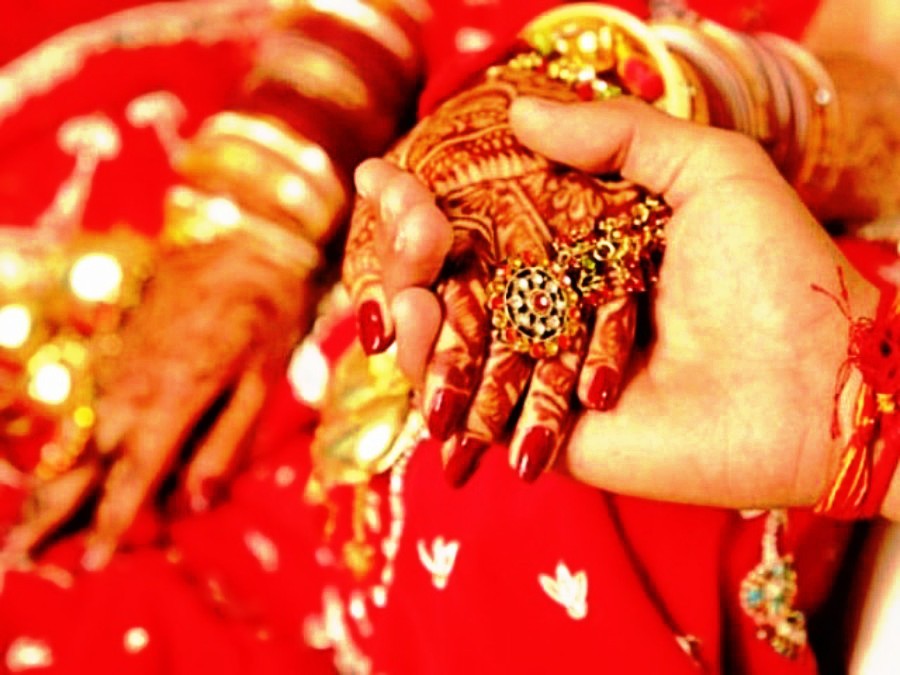
Weddings in Balochistan are vibrant celebrations deeply root in Balochistan culture, serving as pivotal milestones in Balochi society. These events serve as pivotal milestones in Balochi society, marked by elaborate customs and rituals that reflect the region’s rich heritage.
Here are some key aspects of Balochistan weddings:
Pre-Wedding Customs:
- Arranged Marriages: Traditional Balochi weddings often involve arranged marriages, where families play a crucial role in match-making.
- Gol Bandi: This ceremony involves the formal engagement of the couple, accompanied by the exchange of gifts and the binding agreement between the families.
Wedding Ceremonies:
- Mayun: A pre-wedding ritual where the bride-to-be undergoes a beautification process with turmeric and other traditional ingredients.
- Nikah: The religious ceremony where the marriage contract is sign, and the couple officially becomes husband and wife.
- Jahaz Bandi: A unique custom where the groom’s family provides gifts and essential items to the bride’s family as a gesture of goodwill and support.
- Vatili: A ceremony involving the bride’s departure from her parental home to her new marital home.
Celebrations and Traditions:
- Dholki and Sangeet: Colorful musical celebrations with drum beats, singing, and dancing, accompanied by traditional Balochi music.
- Traditional Attire: The bride and groom adorn traditional Balochi attire, with vibrant colors and intricate designs, showcasing the cultural richness of the region.
- Feasting and Hospitality: Lavish feasts are an integral part of Balochi weddings, where guests are treated with elaborate meals and hospitality.
Community Involvement:
- Community Participation: Weddings in Balochistan are community affairs, involving the participation and support of extended family, friends, and neighbors.
- Folk Dances and Cultural Displays: Folk dances, storytelling, and other cultural displays are common during these celebrations, showcasing the region’s cultural heritage.
Symbolism and Blessings:
- Blessings and Well-Wishes: Elders bless the newlyweds and offer prayers for their prosperous and happy married life.
- Symbolic Gestures: Various symbolic rituals and gestures, like applying henna and exchanging garlands, symbolize love, prosperity, and unity.
Balochistan weddings are not just ceremonies; they are vibrant celebrations that capture the cultural essence and social fabric of the Balochi community. These weddings foster unity and shared traditions among the people
Tribes of Balochistan

Balochistan is home to various tribes, each with its own distinct cultural identity, traditions, and history. The Baloch people, constituting the majority in the region, are intricately organize into numerous tribes.
Here are some prominent Baloch tribes:
- Bugti Tribe:
- One of the largest and most influential Baloch tribes, the Bugti tribe has a significant presence in the Dera Bugti district of Balochistan.
- Mengal Tribe:
- The Mengal tribe is prominent in the Khuzdar and Kalat districts of Balochistan. Ataullah Mengal, a notable political figure, has been associate with this tribe.
- Marri Tribe:
- The Marri tribe is well-known in the Kohlu and Sibi districts of Balochistan. It has a history of active participation in Baloch nationalist movements.
- Rind Tribe:
- The Rind tribe is widespread across various regions of Balochistan. It is known for its historical significance and cultural contributions.
- Zehri Tribe:
- The Zehri tribe has a presence in the Khuzdar and Awaran districts. Notable figures from this tribe have contributed to Balochistan’s political landscape.
- Bizenjo Tribe:
- The Bizenjo tribe has played a role in Balochistan’s politics, with prominent leaders like Mir Ghaus Bakhsh Bizenjo making significant contributions.
- Lehri Tribe:
- The Lehri tribe is primarily found in the Lehri tehsil of the Sibi district. It has a distinct cultural identity and historical legacy in the region.
- Lashari Tribe:
- The Lashari tribe is present in the Jaffarabad and Naseerabad districts. Members of this tribe have been historically engage in agricultural activities.
- Khosa Tribe:
- The Khosa tribe is scatter across different areas of Balochistan. It has a cultural heritage deeply rooted in traditional practices and community values.
These tribes contribute to the social and cultural diversity of Balochistan, each with its unique customs, traditions, and historical narratives.
Balochistan Sports

Balochistan, like many other regions, has a vibrant sporting culture with a mix of traditional and modern sports.
Here are some sports that are popular in Balochistan:
- Cricket:
- Cricket is immensely popular in Balochistan, with many individuals actively participating in the sport at both amateur and professional levels.
- Football:
- Football is widely play in Balochistan, and local leagues and tournaments attract enthusiastic participants. The sport has a strong grassroots presence, contributing to its popularity.
- Volleyball:
- Volleyball is a traditional sport that enjoys widespread popularity in Balochistan. Local communities often organize volleyball matches and tournaments, fostering a sense of community engagement.
- Horse Racing:
- Horse racing is a traditional sport in Balochistan, reflecting the historical significance of horsemanship in the region. Horse racing events draw large crowds and are often accompanied by cultural festivities.
- Polo:
- Polo has a deep-rooted history in Balochistan, and the region has produced skilled polo players. Local polo tournaments showcase the traditional equestrian sport and attract spectators from surrounding areas.
- Athletics:
- Athletics, including track and field events, are a part of Balochistan’s sports scene. Local competitions and sports days offer platforms for athletes to display their talents in disciplines like sprinting, long jump, and javelin throw.
- Wrestling:
- Traditional wrestling, known as “Nangarap,” is practice in some areas of Balochistan. It is a physically demanding sport that holds cultural significance.
- Basketball:
- Basketball is gaining popularity, especially in urban areas and among the youth. Local schools and colleges often have basketball teams, participating in inter-school and inter-college competitions.
- Kabaddi:
- Kabaddi, a traditional team sport, is play in Balochistan. It involves physical agility and strategy, making it a popular choice for both formal and informal competitions.
Sports in Balochistan extend beyond mere physical activity and competition; they also serve as platforms for community engagement and cultural expression.
Balochistan Cultural Festivals
Balochistan celebrates a range of festivals, each filled with the cultural richness and unique traditions of the region. Specific festivals may differ among various communities and tribes, together they weave a vibrant tapestry of Balochistan culture.
Some of the notable festivals in Balochistan include:
- Nowruz:
- Nowruz, the Persian New Year, is celebrate with great enthusiasm in Balochistan. It marks the arrival of spring and is observe through various cultural and festive activities.
- Eid ul-Fitr and Eid ul-Adha:
- Like the rest of the Muslim world, Balochistan joyously celebrates Eid ul-Fitr and Eid ul-Adha. These festivals are marke by special prayers, feasts, and the exchange of gifts and greetings.
- Jashn-e-Baharan (Spring Festival):
- Jashn-e-Baharan is a regional spring festival celebrated with cultural events, music, and traditional dances. It is an occasion to welcome the blooming season with enthusiasm.
- Sibi Festival:
- The Sibi Festival is a significant cultural event in Balochistan, featuring traditional sports, handicraft exhibitions, and a lively carnival atmosphere.
- Basant Festival:
- Basant, the kite-flying festival, is celebrate in some parts of Balochistan, particularly in Quetta. It involves colorful kites filling the sky, along with music and festivities.
- Chilam Joshi Festival:
- The Chilam Joshi Festival is celebrate by the Kalash community in Chitral, a region that shares cultural ties with parts of Balochistan. The festival marks the arrival of spring and involves traditional dances, rituals, and feasts.
- Balochistan Day:
- Balochistan Day, celebrated on March 27th, marks the anniversary of the province’s accession to Pakistan. It is a day to commemorate the historical significance of Balochistan and its integration into the country.
These festivals contribute to the vibrant cultural tapestry of Balochistan, providing opportunities for communities to come together, celebrate their heritage, and share the joyous spirit of various occasions.
Balochistan Music and Dance
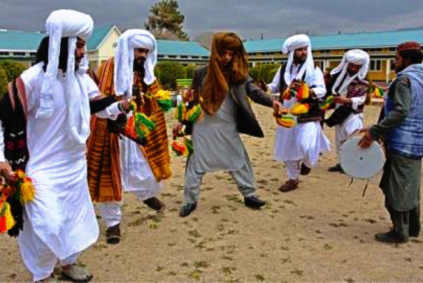
Balochistan, adorned with a rich tapestry of its unique culture, showcases a vibrant musical and dance tradition that reflects its distinctive identity.
Here are some aspects of Balochistan’s music and dance:
Music:
- Saroz:
- The Saroz is a traditional stringe instrument that holds cultural significance in Balochistan. It is play with a bow and features prominently in Balochi music.
- Narr:
- The Narr is a wind instrument, similar to a flute, used in Balochi music. It adds a melodic and soulful dimension to traditional tunes.
- Tambura:
- The Tambura, a long-neck lute, is another traditional instrument often play in Balochistan. Its resonant tones accompany many Balochi songs.
- Zaar:
- Zaar is a drum use in Balochi music. It provides a rhythmic foundation for various traditional dances and musical performances.
Dance:
- Attan:
- Attan is a traditional dance that’s well-liked in various regions, including Balochistan. This dance style includes rhythmic footwork and hand movements.
- Jhumar:
- Jhumar is a traditional dance that is particularly popular among the Baloch people. It is characterize by lively footwork, expressive gestures, and colorful costumes.
- Chap:
- Chap is a dance form where the performers create rhythmic sounds by striking wooden sticks together. This dance is often accompanied by energetic movements.
- Lewanay:
- Lewanay is a celebratory dance performe at weddings and other joyous occasions. It involves intricate footwork and emphasizes the joyous spirit of the event.
- Hambo:
- Hambo is a traditional dance performed in a circular formation, typically during cultural celebrations. It’s a communal dance that fosters a sense of togetherness and shared joy.
In Balochistan, music and dance are not just ways to express art; they’re crucial cultural symbols that keep the heritage and identity of the Baloch people alive. These traditional forms of art are cherished and handed down from one generation to the next.
Arts and Crafts of Balochistan Culture

Balochistan, a region rich in culture and tradition, boasts a vibrant arts and crafts scene.
Here are some notable aspects of arts and crafts in Balochistan:
- Embroidery:
- Balochi embroidery is renown for its intricate patterns and vibrant colors. The embroidery often features geometric designs and is applied to traditional Balochi dresses, adding a touch of cultural elegance.
- Rugs and Carpets:
- Balochistan is known for its high-quality handwoven rugs and carpets. These textiles often incorporate traditional Balochi designs and motifs.
- Metalwork:
- Metalwork is an important part of Balochi craftsmanship. Talented artisans make beautiful pieces like engraved brass or copper trays, lamps, and other decorative items.
- Pottery and Ceramics:
- Traditional pottery and ceramics are craft in various parts of Balochistan. Artisans use age-old techniques to create functional items and decorative pieces.
- Woodcarving:
- Woodcarving is another traditional craft in Balochistan, where skilled artisans carve detailed designs on wooden items like doors, furniture, and utensils.
- Basketry:
- Basketry is a traditional craft in Balochistan, where skilled weavers create baskets and mats from locally available materials.
- Jewelry:
- Balochi jewelry is know for its bold and distinctive designs. Silver jewelry, including necklaces, bracelets, and earrings, often features intricate filigree work and semi-precious stones.
- Mirror Work:
- Mirror work is a prevalent decorative technique in Balochi crafts. Mirrors are often incorporate into textiles, clothing, and accessories, creating stunning visual effects and adding a touch of glamour to traditional items.
- Leatherwork:
- Leatherwork is a traditional craft in Balochistan it produce items such as bags, belts, and footwear.
- Painted Pottery:
- Traditional pottery is often adorn with painted designs, reflecting Balochi cultural motifs and symbols. These hand-painted items serve both decorative and functional purposes.
The arts and crafts of Balochistan reflect the region’s history, culture, and the creativity of its people, contributing to the rich tapestry of Pakistani craftsmanship.
Literature of Balochistan Culture

Balochistan, enveloped in the cultural tapestry of Balochistan culture, boasts a literary tradition deeply rooted in its history and heritage. Balochi literature, primarily in the Balochi language, encompasses poetry, prose, folk tales, and oral traditions.
Here are some key aspects:
Poetry:
- Classical Poetry: Balochi poetry has a long history dating back centuries. It often celebrates the beauty of nature, love, bravery, and the struggles of the Baloch people.
- Poetic Forms: Traditional forms like “Gazals” and “Rubaiyat” are prevalent, showcasing intricate rhyme schemes and deep emotions.
Prose and Storytelling:
- Folk Tales and Legends: Oral traditions passed down through generations form the basis of Balochi storytelling, featuring heroic tales, moral lessons, and cultural myths.
- Modern Prose: Contemporary Balochi literature includes novels, short stories, and essays reflecting on various aspects of life, society, and cultural identity.
Prominent Writers and Poets:
- Mir Gul Khan Naseer: Revered as the national poet of the Baloch people, Naseer’s poetry reflects the struggles and aspirations of the Baloch nation.
- Atta Shad: This celebrated Balochi poet known for his lyrical and romantic poetry.
Literary Themes:
- Cultural Identity: Many works explore the essence of Baloch identity, the struggles faced by the Baloch people, and their resilience.
- Love and Nature: Themes of love, nature, and the beauty of Balochistan’s landscape often find expression in Balochi poetry and literature.
Challenges and Preservation:
- Language Preservation: Efforts are underway to preserve and promote the Balochi language, ensuring that its literary heritage remains accessible to future generations.
- Socio-political Context: Some contemporary writings delve into socio-political issues, reflecting the challenges faced by the Baloch people and their aspirations for autonomy and cultural recognition.
Literary Contributions:
- Literary Journals and Publications: Various literary magazines and publications contribute to the proliferation of Balochi literature, providing a platform for writers and poets.
- Cultural Revival: Balochi literature plays a vital role in preserving and reviving the cultural heritage of the region, fostering a sense of pride and connection among the Baloch people.
The writings in Balochistan, especially in the Balochi language, are like a treasure chest holding the history, traditions, and cultural wealth of the region. They capture the shared experiences and dreams of the people, preserving them for future generations to learn from and cherish.
Frequently Asked Questions
What is the date of Balochistan culture Day?
Baloch Culture Day is celebrate on March 2, it is an annual occasion to showcase and celebrate the rich history, traditions, and culture of the Baloch nation.
What is the Specialty of Balochistan?
Balochistan is unique because it has special tribal traditions and a fascinating history. People there are known for making beautiful embroidery, carpets, and crafts. Additionally, the region is famous for having lots of gas, coal, and minerals.
What is the main language of Balochistan?
Balochi is the main language spoke in Balochistan. It is an Iranian language and is primarily use by the Baloch people in the region.
What is Balochistan called?
Balochistan is often refer to as the “Land of the Baloch.” It is the largest province in Pakistan by land area and is known for its diverse landscapes, tribal culture, and rich history.